Traditional and Contemporary Coppersmithing in Morocco
Explore the evolution of Moroccan coppersmithing, from traditional hand-hammered copper objects and engraved brass decorations to contemporary architectural metalwork, bespoke lighting, decorative panels and luxury interior design.
Moroccan Coppersmithing is a distinctive form of metal craftsmanship that combines technical skill, decorative traditions and artistic expression.
Known in French as dinanderie, this craft involves the transformation of copper, brass and related metals into decorative and functional objects.
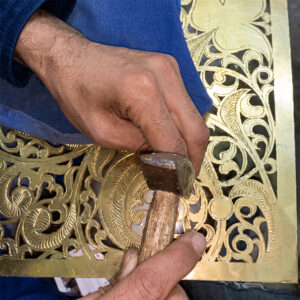
Traditional Moroccan artisans use hammering, chiseling, engraving, shaping and polishing techniques to create intricate designs and ornamental metal surfaces.
Today, contemporary coppersmithing expands these possibilities through modern fabrication methods, technical drawings, precise metal cutting and innovative architectural applications.
This combination of heritage and modern design makes Moroccan copper and brass metalwork relevant to luxury residences, hotels, restaurants, architectural projects and custom interior decoration.
The Heritage of Traditional Moroccan Coppersmithing
Moroccan coppersmithing has a long history within the country’s decorative arts and artisan traditions.
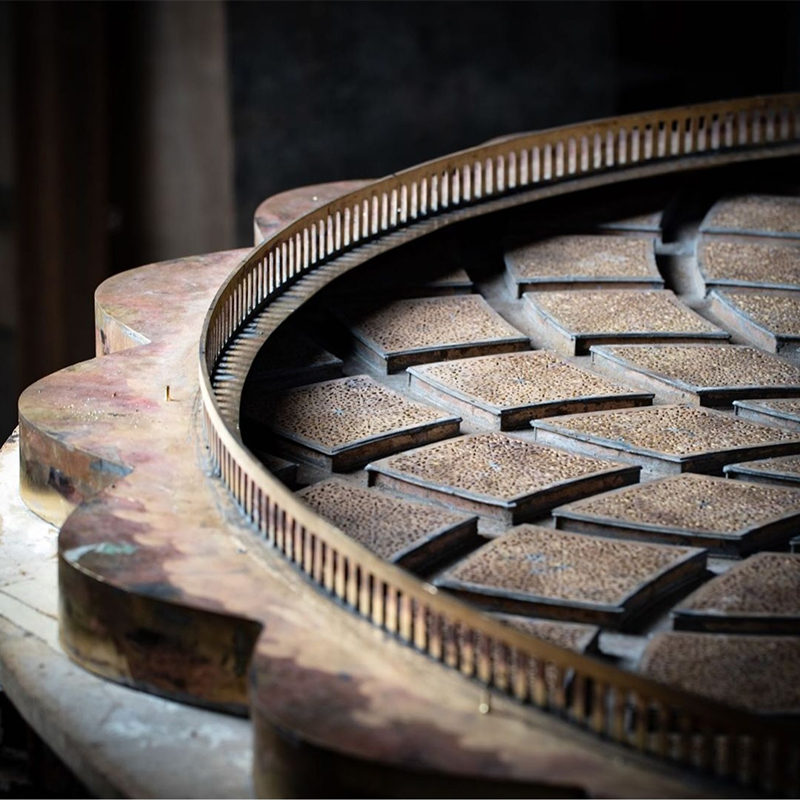
Historic craft centers such as Fez and Marrakech are associated with traditional metalworking techniques and ornamental metal objects.
Artisans have developed specialized methods for creating decorative trays, bowls, lanterns, engraved objects and architectural metal ornaments.
Traditional designs frequently incorporate geometric patterns, floral motifs and decorative compositions inspired by Moroccan artistic heritage.
The value of this craftsmanship lies in the relationship between material, manual expertise and ornamental detail.
Traditional Moroccan Metalworking Techniques
Traditional coppersmithing involves different fabrication techniques that allow artisans to transform metal sheets into decorative objects.
Hand Hammering
Repeated controlled hammering shapes copper and brass while creating distinctive decorative surface textures.
Chiseling
Specialized tools create ornamental reliefs, decorative lines and intricate metal patterns.
Hand Engraving
Decorative motifs are developed on metal surfaces through precise artisanal engraving.
Metal Shaping
Copper and brass sheets are formed into curved, cylindrical and custom decorative shapes.
Traditional Perforation
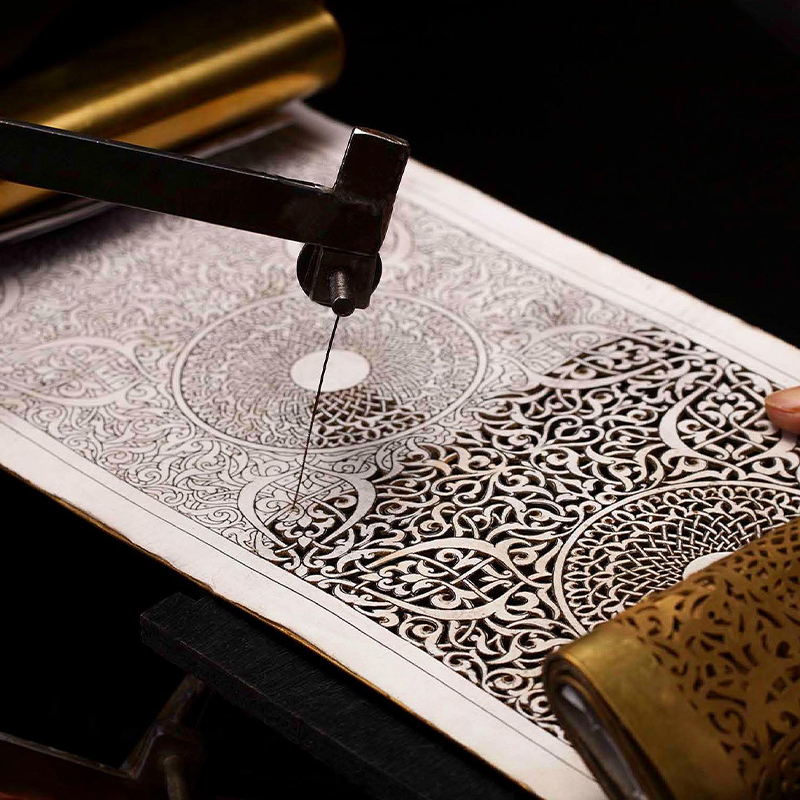
Decorative openings create geometric patterns and interactions between light and shadow.
Surface Finishing
Brushing, polishing and patination produce different decorative metallic appearances.
Traditional Copper and Brass Objects in Moroccan Craftsmanship
Traditional Moroccan metalwork includes a wide variety of ornamental and functional objects.
Decorative Copper Trays
Handcrafted trays may feature hammered surfaces, engraved borders and traditional geometric compositions.
Moroccan Lanterns
Traditional lanterns often incorporate perforated metal patterns designed to create decorative lighting effects.
Engraved Brass Objects
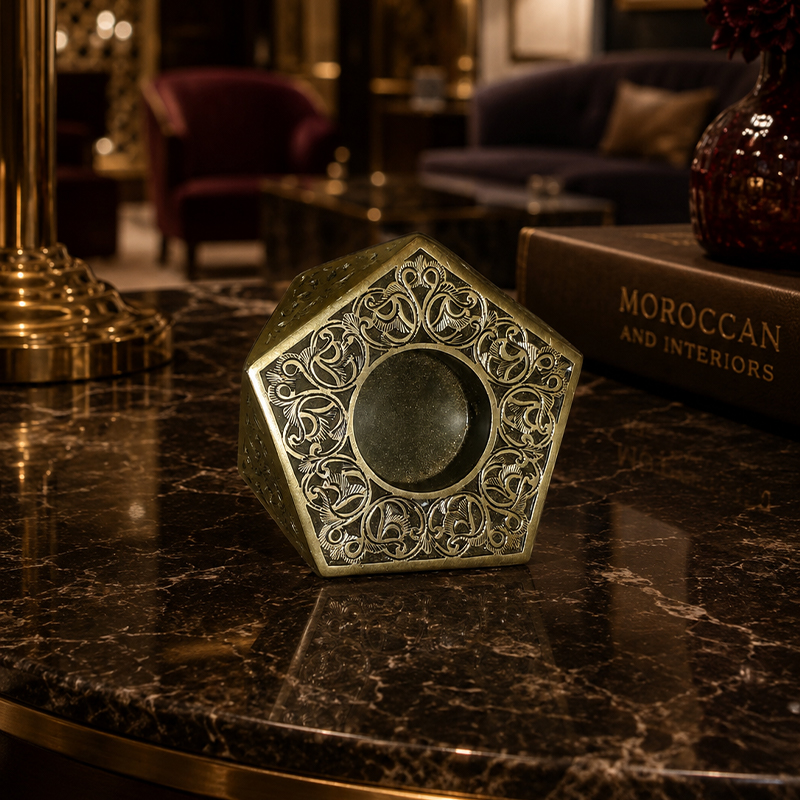
Brass objects can display intricate floral and arabesque-inspired designs produced through engraving and chiseling techniques.
Decorative Vessels
Bowls, containers and ornamental vessels demonstrate traditional metal shaping and hammering expertise.
The Evolution of Contemporary Coppersmithing in Morocco
Contemporary Moroccan coppersmithing combines traditional decorative expertise with modern design and technical fabrication methods.
While traditional craftsmanship emphasizes manual techniques, contemporary fabrication can incorporate precision cutting, digital design and modern forming processes.
These techniques allow designers to explore larger dimensions, contemporary geometric patterns and innovative architectural forms.
Modern metalworking also supports the integration of decorative copper and brass elements into architectural projects with specific technical requirements.
The result is a creative connection between Moroccan craftsmanship heritage and contemporary architectural expression.
Modern Techniques in Custom Copper and Brass Fabrication
Modern metalworking methods expand the possibilities of traditional craftsmanship and support technically demanding projects.
Digital Design
Technical drawings and digital modeling help define shapes, dimensions and assembly details.
Precision Cutting
Suitable cutting equipment can produce decorative patterns and metal components accurately.
Metal Forming
Controlled bending and shaping processes create custom architectural metal components.
Custom Assembly
Individual parts can be joined to create complex decorative and architectural structures.
Surface Treatment
Different finishing processes provide contemporary or traditional metallic appearances.
Quality Inspection
Manufactured elements are checked against dimensional, finishing and assembly specifications.
Traditional and Contemporary Coppersmithing: Key Differences
Traditional and contemporary approaches share an interest in decorative metalwork but differ in their design and fabrication methods.
| Aspect | Traditional | Contemporary |
|---|---|---|
| Design | Floral motifs, arabesques and traditional patterns | Minimalist, abstract and custom geometric forms |
| Fabrication | Manual hammering, chiseling and shaping | Combined digital, mechanical and artisanal processes |
| Products | Trays, lanterns, bowls and ornamental objects | Wall panels, partitions, lighting and architectural elements |
| Finishes | Hammered, engraved and patinated surfaces | Brushed, polished, satin and custom textures |
| Applications | Traditional decoration and functional objects | Architecture, hospitality and contemporary interiors |
These approaches are not mutually exclusive. Many custom projects benefit from combining traditional craftsmanship with contemporary fabrication methods.
7 Ways to Combine Traditional and Contemporary Metalwork
The versatility of copper and brass creates opportunities for developing decorative projects inspired by Moroccan heritage and modern design.
Decorative Wall Panels
Combine traditional ornamentation with contemporary metal wall cladding.
Custom Brass Lighting
Reinterpret Moroccan lantern patterns through modern decorative fixtures.
Architectural Screens
Integrate perforated Moroccan patterns into contemporary partitions and decorative screens.
Hammered Metal Art
Use traditional hammered textures in contemporary decorative wall art.
Luxury Metal Furniture
Incorporate brass and copper details into custom tables and furniture elements.
Decorative Ceilings
Develop contemporary architectural ceilings using ornamental metal compositions.
Sculptural Installations
Create artistic metal compositions that combine traditional textures and modern forms.
Copper and Brass Finishes for Traditional and Modern Design
Surface finishing is an essential part of the appearance of decorative metalwork.
Traditional hammered textures emphasize handcrafted character, while brushed and satin surfaces are frequently selected for contemporary interiors.
Polished finishes create bright metallic reflections, while patinated surfaces provide aged decorative effects.
The appropriate finish should be selected according to the intended appearance, application and maintenance requirements.
Moroccan Coppersmithing in Contemporary Architecture
Architectural projects increasingly explore decorative metalwork as a way to introduce texture, material character and custom design.
Copper and brass elements can contribute to different interior design environments.
Luxury Hotels and Riads
Decorative lighting, architectural panels and ornamental accessories can complement hospitality interiors inspired by Moroccan craftsmanship.
Private Villas
Custom wall art, brass features and decorative metal panels introduce distinctive materials into residential spaces.
Restaurants and Commercial Interiors
Metal screens, decorative lighting and custom furniture details can reinforce the visual identity of hospitality and commercial spaces.
Corporate and Public Spaces
Bespoke architectural metalwork can be integrated into reception areas, entrances and decorative installations.
Bespoke Copper and Brass for Luxury Interior Projects
Contemporary decorative metalwork offers architects and interior designers considerable freedom in material selection, dimensions and finishing.
Custom copper and brass elements can be developed from technical drawings and architectural concepts.
Panels, screens and ornamental components may incorporate traditional Moroccan motifs or contemporary geometric forms.
Important technical considerations include material thickness, fixing systems, panel flatness, support structures and installation conditions.
Appropriate technical planning helps ensure that the decorative design can be manufactured and installed as intended.
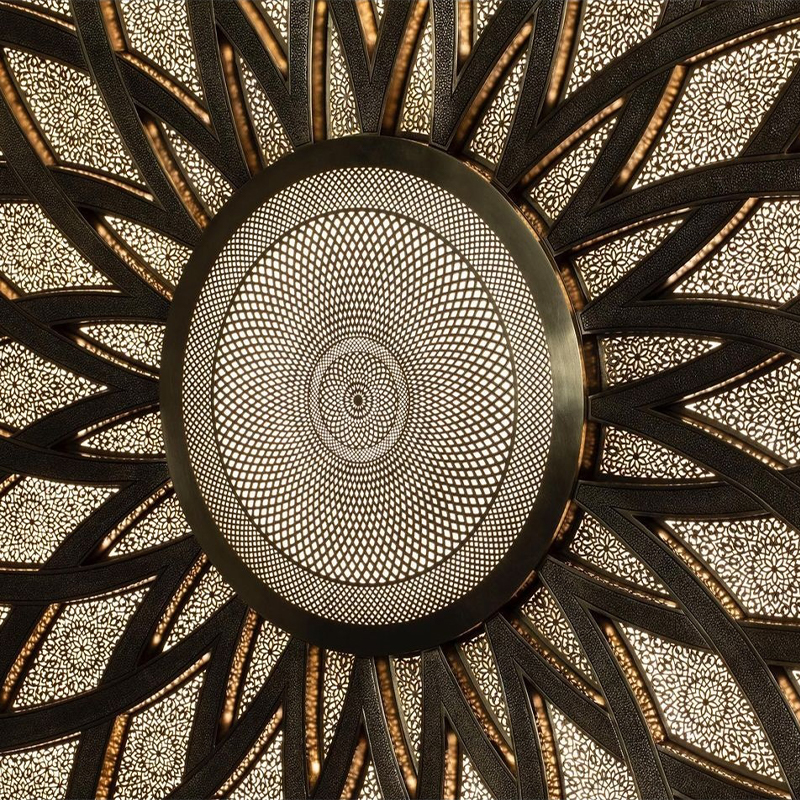
Custom Copper and Brass Fabrication in Morocco
Bespoke metal fabrication allows traditional and contemporary designs to be developed according to specific project requirements.
Project Study
Review design references, technical drawings and project specifications.
Technical Development
Define materials, dimensions, fabrication methods and assembly requirements.
Metal Fabrication
Cut, form, shape and assemble the required metal components.
Decorative Work
Apply specified hammering, engraving, perforation or ornamental treatments.
Finishing
Apply appropriate brushing, polishing, patination or surface protection.
Quality Control
Check dimensions, assembly details and surface finishing against specifications.
What Influences the Cost of Moroccan Coppersmithing?
Prices for custom copper and brass craftsmanship vary according to the technical requirements of each project.
| Factor | Considerations | Cost Impact |
|---|---|---|
| Material | Copper or brass grade, thickness and quantity | Raw material cost |
| Design | Complexity of shapes and decorative patterns | Technical preparation |
| Artisanal Work | Hammering, chiseling and engraving | Specialized labor |
| Finish | Polishing, brushing and patination | Surface treatment time |
| Quantity | Number of pieces and repeated components | Production efficiency |
| Installation | Fixing systems, delivery and site access | Handling and installation |
A personalized quotation is necessary to estimate the cost of a particular decorative or architectural project.
How to Request a Custom Coppersmithing Quotation
To evaluate a custom copper or brass project, provide the following information:
- Reference images or design sketches
- Technical drawings or 3D models
- Required dimensions and quantities
- Preferred copper or brass material
- Desired decorative patterns and finishes
- Indoor or outdoor application
- Installation and fixing requirements
- Delivery location and project timeline
Clear technical information allows fabrication methods, material requirements and finishing options to be assessed more effectively.
FAQ: Traditional and Contemporary Coppersmithing in Morocco
What is Moroccan coppersmithing?
Moroccan coppersmithing is the traditional craft of shaping and decorating copper and related metals using techniques such as hammering, engraving and chiseling.
What is the difference between traditional and modern coppersmithing?
Traditional approaches emphasize manual craftsmanship and ornamental techniques, while contemporary methods may combine these skills with digital design and modern manufacturing equipment.
Can traditional Moroccan patterns be used in modern interiors?
Yes. Traditional geometric and floral motifs can be adapted to contemporary decorative panels, lighting, partitions and architectural features.
What materials are used in Moroccan coppersmithing?
Copper and brass are commonly associated with Moroccan decorative metalworking, alongside other metals used for specific applications.
Can copper and brass objects be manufactured to custom dimensions?
Yes. Bespoke fabrication can accommodate project-specific dimensions, patterns and finishes, subject to manufacturing feasibility.
How much does custom coppersmithing cost in Morocco?
Pricing depends on material, dimensions, design complexity, artisanal work, finishing and installation requirements. A project-specific quotation is recommended.
Moroccan Coppersmithing: Where Tradition Meets Contemporary Design
Moroccan Coppersmithing represents a valuable connection between traditional craftsmanship and contemporary decorative design.
Traditional hammering, chiseling and engraving techniques continue to influence modern copper and brass fabrication.
Contemporary applications extend from custom lighting and decorative panels to architectural screens, furniture and artistic installations.
At Dinanderie.ma, explore traditional Moroccan metalworking, bespoke copper and brass craftsmanship, decorative finishes and architectural applications.
Discover more about Moroccan copper and brass craftsmanship and its applications in custom decorative metalwork.