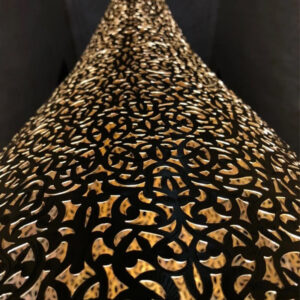
Copper vs Brass: 7 Essential Differences for Your Projects
Discover the differences between copper and brass, including their composition, appearance, durability, finishes, manufacturing techniques and applications in custom architectural metalwork.
Copper vs Brass is an important comparison when selecting materials for decorative metalwork, architectural applications and custom manufacturing projects.
Both metals are widely appreciated for their distinctive appearance, workability and versatility. However, they differ in composition, color, mechanical properties, corrosion behavior and cost.
In Morocco, copper and brass are associated with traditional coppersmithing, also known as dinanderie, and are used in the production of decorative objects, lighting, wall panels, furniture and architectural elements.
Understanding these differences helps architects, interior designers, contractors and project developers choose suitable materials for their technical and aesthetic needs.
What Is the Difference Between Copper and Brass?
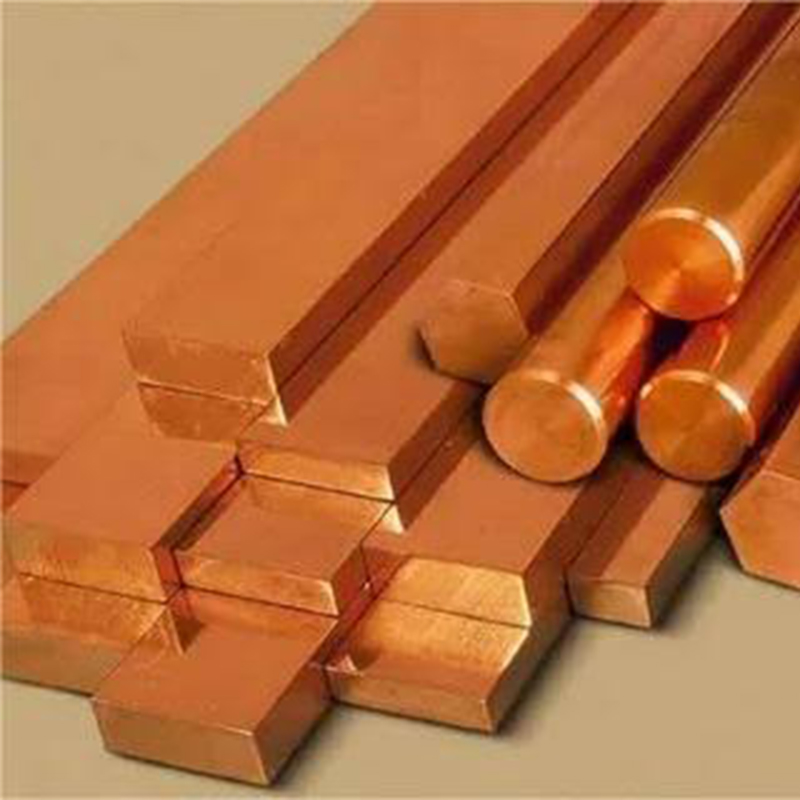
Copper is a chemical element, identified by the symbol Cu, and is naturally characterized by its reddish-orange appearance.
Brass is a metal alloy composed primarily of copper and zinc. Its color and mechanical properties depend on the proportions of these elements and any additional alloying components.
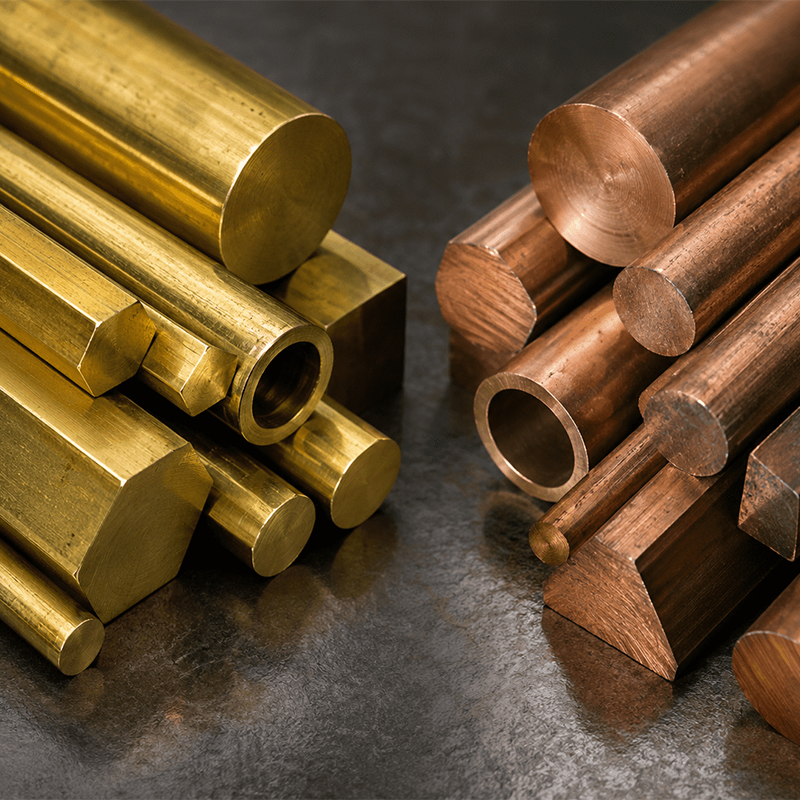
The most visible difference is their natural color: copper generally presents reddish tones, while many brass alloys have a yellow or golden appearance.
Both materials can be shaped, cut, polished and finished, but the manufacturing process must be adapted to the selected alloy and application.
7 Essential Differences Between Copper and Brass
When comparing copper and brass for decorative or architectural projects, several characteristics should be considered.
Composition
Copper is an elemental metal, while brass is an alloy primarily made from copper and zinc.
Natural Color
Copper has reddish-orange tones. Brass typically presents a yellow or golden appearance.
Mechanical Properties
Many brass alloys offer higher strength or hardness than pure copper, although properties vary by alloy.
Formability
Copper is highly malleable. Brass formability depends on its composition and material condition.
Surface Appearance
Both materials can be polished, brushed, hammered or patinated to achieve different finishes.
Applications
Copper is valued for warm decorative surfaces. Brass is often selected for golden architectural details.
Material Cost
Prices vary according to metal markets, alloy grades, thickness, supply and fabrication.
Copper vs Brass: Technical Comparison Table
The following comparison summarizes important properties for selecting materials in custom fabrication projects.
| Property | Copper | Brass |
|---|---|---|
| Composition | Elemental copper | Copper-zinc alloy |
| Natural Color | Reddish-orange | Yellow to golden |
| Density | Approx. 8.96 g/cm³ | Typically 8.4–8.7 g/cm³ |
| Formability | Generally excellent | Depends on alloy and temper |
| Electrical Conductivity | Very high | Lower than pure copper |
| Decorative Finishes | Polished, brushed, hammered, patinated | Polished, brushed, satin, hammered, patinated |
| Common Applications | Decorative panels, objects, wall art, architectural cladding | Decorative screens, lighting, furniture and architectural details |
These values are indicative. Exact mechanical and physical properties depend on the specified material grade and manufacturing condition.
When Should You Choose Copper for Your Project?
Copper is a suitable choice when a project requires warm metallic tones, decorative textures or traditional handcrafted details.
Decorative Copper Wall Cladding
Copper sheets can be integrated into custom wall coverings, decorative panels and interior architectural elements.
Handcrafted Copper Objects
Traditional coppersmithing techniques are used to produce hammered trays, bowls, vases and decorative objects.
Copper Wall Art
Copper can be shaped and textured to create artistic wall compositions and sculptural decorations.
Architectural Copper Details
Copper may be used for ornamental surfaces, decorative furniture components and custom architectural features.
When Should You Choose Brass for Your Project?
Brass is frequently selected for decorative projects that require golden metallic tones and a refined architectural finish.
Decorative Brass Panels
Custom brass panels can incorporate brushed surfaces, geometric patterns and perforated motifs.
Brass Lighting
Brass can be used to manufacture decorative chandeliers, wall sconces, pendant lights and ornamental lighting components.
Architectural Brass Screens
Perforated brass screens and partitions provide decorative architectural solutions for interiors.
Brass Furniture Details
Brass may be integrated into custom furniture, decorative trims, tables and architectural fittings.
Copper and Brass Finishes: Choosing the Right Appearance
Surface finishing influences the final appearance of copper and brass in architectural and decorative applications.
Polished Surfaces
Polished finishes produce bright reflections and emphasize the natural color of the metal.
Brushed Surfaces
Brushing creates directional surface lines and a softer, less reflective appearance.
Hammered Textures
Hammered finishes provide irregular surface relief and a handcrafted character.
Patinated Finishes
Patination can produce darker or aged tones through controlled surface treatments.
The finish should be chosen according to the architectural concept, exposure conditions, expected maintenance and required appearance.
Copper vs Brass: Durability and Maintenance
Both copper and brass offer useful corrosion resistance in many indoor environments. However, their long-term appearance depends on the conditions of exposure.
Copper Aging
Untreated copper can gradually darken and develop a patina. In certain outdoor conditions, greenish patina layers may form over time.
Brass Aging
Brass surfaces can tarnish and change color with exposure to air, moisture and environmental contaminants.
Protective Treatments
Appropriate coatings can help preserve a selected decorative appearance, depending on the intended use.
For exterior applications, alloy selection and environmental conditions require careful evaluation. Certain brass alloys may be susceptible to dezincification in aggressive environments.
Copper and Brass Manufacturing Techniques in Morocco
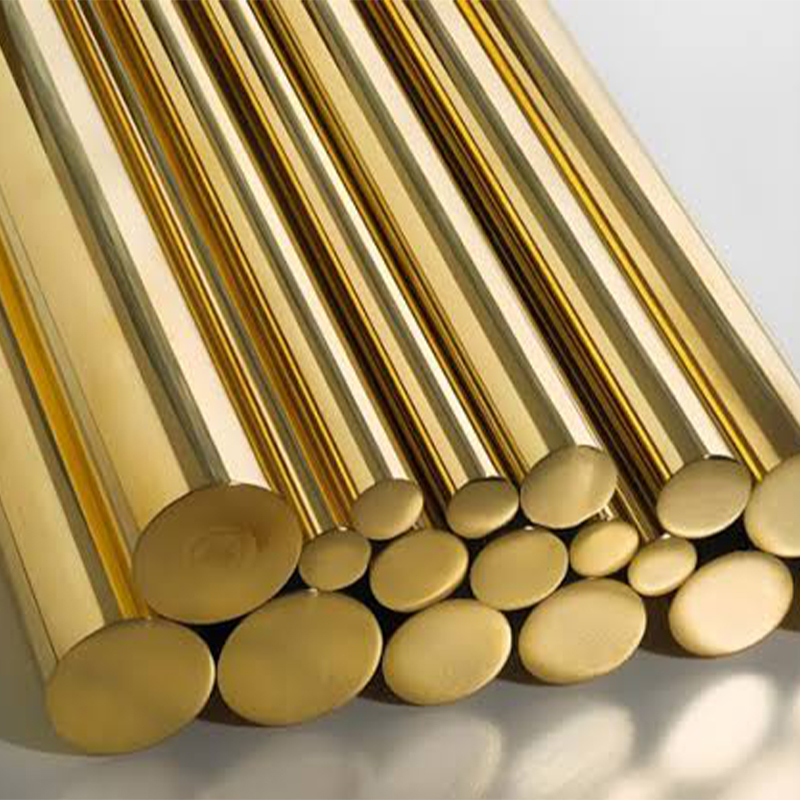
Custom copper and brass fabrication may combine traditional metalworking techniques with contemporary manufacturing processes.
Cutting and Preparation
Metal sheets are selected and prepared according to required dimensions, thickness and applications.
Metal Shaping
Bending, forming and suitable hammering techniques are used to create custom shapes.
Decorative Metalworking
Engraving, chiseling and perforation can produce ornamental patterns and surface details.
Assembly and Finishing
Components are assembled and finished according to the approved design and technical requirements.
Is Copper or Brass More Expensive in Morocco?
The price difference between copper and brass depends on several factors.
Although copper content is an important component of brass pricing, the cost of finished metal products cannot be determined by composition alone.
Raw Material Price
Metal market conditions and purchase prices influence the budget.
Material Grade
Copper purity and brass alloy composition affect material selection and procurement costs.
Thickness & Weight
Material thickness, dimensions and quantity influence total consumption.
Design Complexity
Intricate shapes and decorative patterns may require additional fabrication time.
Surface Finishes
Brushing, polishing, hammering and patination influence processing costs.
Installation
Support systems, transport, assembly and installation can affect the quote.
For accurate pricing, the technical specifications of both options should be compared using current supplier quotations.
How to Choose Between Copper and Brass
The best material depends on the desired appearance, technical requirements and intended application.
Choose Copper When:
- You prefer reddish and warm metallic tones.
- The project requires decorative copper surfaces.
- Hammered or patinated copper is part of the design.
- Traditional copper craftsmanship is desired.
Choose Brass When:
- A golden metallic appearance is preferred.
- Decorative screens or brass panels are specified.
- The design includes brass lighting or furniture details.
- A suitable brass alloy meets the mechanical requirements.
Material selection should also consider maintenance, environmental exposure, assembly methods and available budget.
Copper and Brass for Architectural Projects in Morocco
Both metals offer decorative possibilities for residential, hospitality and commercial architectural projects.
Luxury Hotels and Riads
Decorative lighting, metal wall panels and ornamental architectural details can enhance hospitality interiors.
Private Villas
Copper and brass accents can be integrated into furniture, wall decoration and custom interior features.
Restaurants
Metallic surfaces and decorative installations can support a distinctive hospitality design concept.
Commercial Interiors
Custom brass partitions, copper wall art and decorative metal panels can be adapted to professional spaces.
How to Request a Copper or Brass Fabrication Quote
For a custom metalwork project, the following information helps determine material and fabrication requirements.
Design
Reference photographs, sketches or technical drawings.
Dimensions
Height, width, thickness and required quantities.
Material
Copper, brass or material selection assistance.
Finish
Polished, brushed, hammered or patinated.
Application
Decorative, architectural, indoor or outdoor use.
Delivery
Project location, timeline and installation requirements.
FAQ: Copper vs Brass for Custom Projects
What is the main difference between copper and brass?
Copper is an elemental metal with a reddish appearance. Brass is primarily an alloy of copper and zinc, commonly featuring golden tones.
Which metal is better for decorative wall panels?
Both can be suitable. Copper is valued for its warm tones and patina, while brass is often selected for its golden appearance. The final choice depends on the project requirements.
Is brass stronger than copper?
Many brass alloys have greater hardness and strength than pure copper, but exact properties depend on the alloy and its condition.
Does copper change color over time?
Yes. Untreated copper can oxidize and develop darker tones or patina, depending on environmental conditions.
Is copper or brass more expensive?
Prices depend on market conditions, material grades, dimensions, purchase quantities and fabrication requirements.
Can copper and brass be manufactured to custom dimensions?
Yes. Both materials can be used in bespoke metalwork according to approved drawings, technical specifications and manufacturing feasibility.
Copper vs Brass: Making the Right Choice for Your Project
Understanding the differences between copper and brass is essential when selecting materials for architectural decoration and custom metalwork.
Copper offers distinctive reddish tones and excellent malleability, while brass provides golden finishes and a variety of mechanical characteristics depending on its composition.
Both materials can be transformed through traditional coppersmithing techniques and modern fabrication methods.
At Dinanderie.ma, explore copper and brass craftsmanship, decorative finishes and bespoke architectural metalwork.
Learn more about Moroccan copper and brass craftsmanship and discover custom fabrication possibilities for your project.